Het Van Eesteren Museum onderzoekt en benoemt in samenwerking met het College van Rijksadviseurs en op basis van concrete locaties in de gemeenten Amersfoort, Amsterdam en Tilburg de kwaliteit en specifieke randvoorwaarden voor hoogbouw. Voor de invulling van het onderzoekstraject nemen we de vooroorlogse Commissie voor den hoogen bouw (1929-1933) en de naoorlogse Commissie Hoogbouw-Laagbouw (1956-1961) als vertrekpunt. Bij deze commissies waren Th. van Lohuizen en Jacoba Mulder, de collega’s van Van Eesteren destijds betrokken. De huidige werkcommissie Wonen op hoogte bestaat uit een interdisciplinair team van vijf ontwerpers dat op basis van vier ontwerpateliers tot meerdere aanbevelingen en richtlijnen voor hoogbouw zal komen. Het uiteindelijke product is een advies of een aantal aanbevelingen dat in september 2020 namens het Van Eesteren Museum en het College van Rijksadviseurs en gesteund door de Stichting Hoogbouw aan de minister van Binnenlandse Zaken zal worden aangeboden.
 De geschiedenis van de
 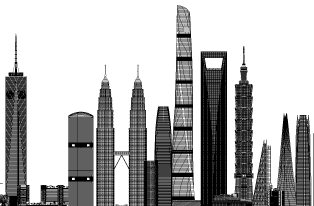 The skyscraper has a history extending back more than 120 years, but it entered a new phase of innovation and acceleration in the late 1960s.
Rotterdam staat voor een fikse woningbouwopgave. Daarbij is de Maasstad een pionier op het gebied van hoogbouw. In de update van de Rotterdamse hoogbouwvisie waaraan wordt gewerkt zal meer aandacht zijn voor de sociale aspecten van hoogbouw. Stedenbouwkundige Emiel Arends vertelt over de geleerde lessen van de afgelopen jaren.
Waarom een nieuwe hoogbouwvisie?
‘We hebben in Rotterdam een traditie opgebouwd met onze hoogbouwvisie. De vorige dateerde al uit 2011, dus het werd vorig jaar tijd voor een nieuwe. Temeer hoogbouw ook een typologie is die we nog niet zo lang doen.’
>>
Hoogbouwvisie 2011
Hoogbouwbeleid 2019 (volgt medio oktober 2019)
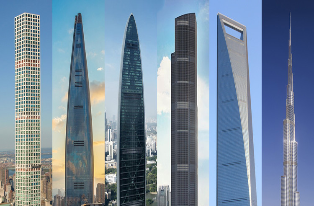 These are
  When it comes to new developments in New York City,
 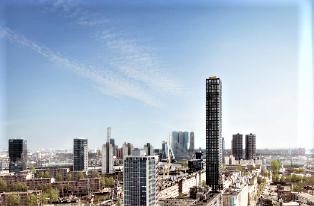 Masteronderzoek van Ikram Talib naar nauwkeurigheid van de Energy Flow Analysis voor identificatie bodemdemping in hoogbouw
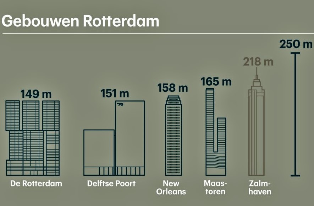
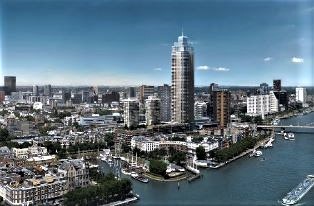 Om aan de binnenstedelijke woningbouwopgave te voldoen, is hoogbouw volgens de AM-voorman Ronald Huikeshoven een deel van de oplossing. Hij is blij dat het draagvlak hiervoor toeneemt. “Hoogbouw kan de kwaliteit van de stad helpen verbeteren. Belangrijk daarbij is de plintbeleving. Kun je meer functies samenbrengen in één gebouw? Hoe laat je een gebouw landen in de omgeving?” Qua hoogbouw zet Rotterdam de toon, maar andere grote steden volgen snel. Er zijn in Nederland 202 torens van meer dan 70 meter, en tot 2025 komen er 70 bij, waaronder De Zalmhaven in Rotterdam. “Die ontwikkelen wij samen met Amvest. Met 215 meter wordt dat de hoogste wolkenkrabber van de Benelux.” Meer hoogbouw moet wel gepaard gaan met mobiliteitsplannen. “De parkeernormering moet omlaag en worden gekoppeld aan bereikbaar OV, deelauto’s en deelfietsen.”
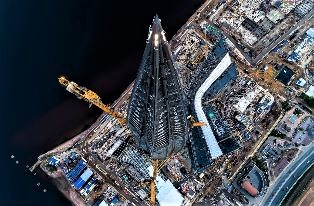 Either as singular outcroppings or as part of a bustling center,